







Search Results for: Hambella 7063
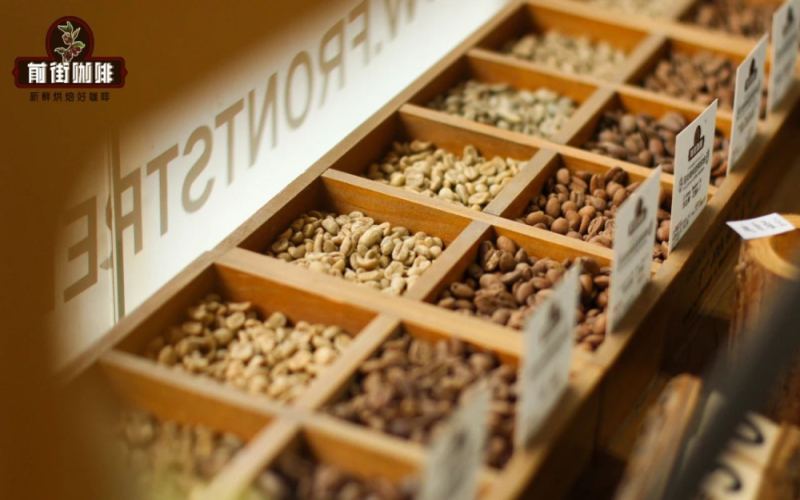
Ethiopian Coffee Grading System Explained: The Meaning of Natural Geisha G1 Grade and an Analysis of the Hambella 7063 Lot Code
Ethiopia's coffee bean grading system combines dual standards of cupping quality and green bean defect rate. Among them, natural-process beans saw the G1 grade appear for the first time after the ECX reform, and Huakui is precisely a representative of this grade. This article systematically sorts out the logic of Ethiopian coffee grading, analyzes the meaning of the Hambella 7063 batch code, and takes an in-depth look at Huakui coffee's origin background, processing method, and the origin of its name. At the same time, it shares Front Street Coffee's light-roast approach for Huakui and V60 three-stage brewing parameters, helping coffee enthusiasts fully understand this champion bean's complete profile from producing region to cup. [more…]
Does Ethiopian Natural Huakui G1 Represent the Highest Quality? Decoding the Meaning of the Hambella 7063 Batch Number
How exactly does Ethiopia's coffee grading system work? Is sun-dried Geisha G1 equivalent to the highest-quality coffee beans? What does the batch number Hambella 7063 represent? This article will systematically sort out Ethiopia's coffee grading standards, including the two major dimensions of cupping score and green bean defect rate, and deeply analyze the grading logic of the sun-dried processing method. At the same time, it will take you into Hambella, the Guji producing region and hometown of Geisha coffee, to learn about its geographical environment, farm operations, and the origin of its name. Finally, it includes Front Street Coffee's light-roast brewing parameters and three-stage extraction method for Geisha, helping you fully release the floral and fruity aromas of this bean. [more…]
A Complete Guide to Ethiopia's Huakui Coffee Beans: Hunkute G1 Natural Flavor and Sidamo Region Introduction
Ethiopia is a globally important coffee-producing country, and its grading system is based on two core criteria: cupping performance and the defect rate of green beans. Huakui coffee beans originated in Hambela, in the Guji zone of Sidama, and rose to fame by winning the 2017 TOH competition, becoming a star product among natural-process beans. This article provides a systematic overview for coffee enthusiasts, covering Ethiopian grading standards, the background of the Hambela production area, the origin of the name Huakui, the natural processing method, and the brewing parameters and flavor performance of Front Street Coffee's Huakui coffee. Whether you want to understand the real difference between G1 and G2, or want to master the specific technique of V60 three-pour extraction, you will find clear answers in this article. [more…]
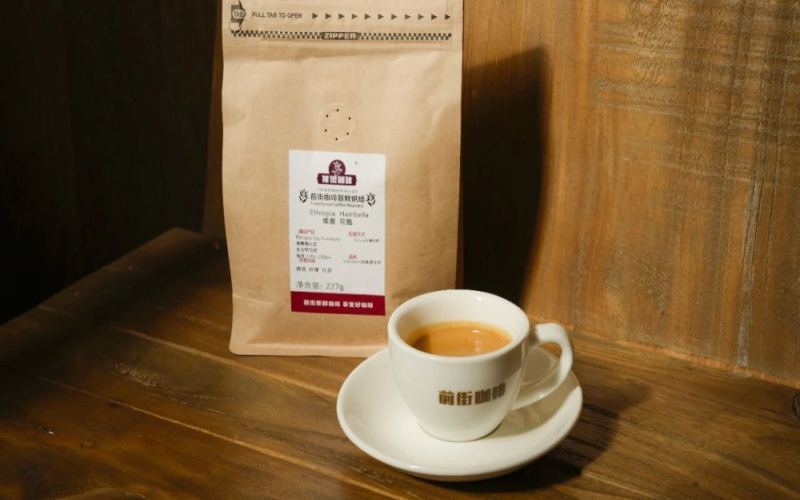
Ethiopian Sidamo Flower Queen Coffee: A Comprehensive Analysis of the Grading System, Hambela Region, and Natural Process Brewing
The Huakui coffee from the Sidamo region has become a star among Ethiopian natural beans, thanks to its rich floral and fruity aromas and honeyed sweetness. This article begins with Ethiopia's coffee grading standards, sorting through the two systems of cupping scores and green bean defect rates, and explaining the differences between G1 and G3 grades as well as the impact of ECX reform on the grading of natural beans. It then focuses on Hambela in the Guji region, introducing Huakui's origin terroir, farm background, traditional natural processing, and the origin of its name from winning TOH. Finally, it includes Front Street Coffee's light roasting approach for Huakui and V60 three-stage brewing parameters, helping readers fully understand the flavor sources and extraction key points of this bean. [more…]
Can Huakui 8.0 Handle SOE and Lattes? A Comprehensive Review of Sidamo Natural Beans in Espresso Brewing
As a star sun-dried bean from Ethiopia's Sidama region, Huakui coffee has been rising in popularity in the specialty coffee scene in recent years, and is even regarded as a variety capable of rivaling Geisha. But many coffee enthusiasts are curious: can this bean, known for its floral and tropical fruit notes, handle being made into espresso? And what kind of flavors would it present as an SOE or a latte? Starting from Front Street Coffee's practical experience, this article will sort out the origin of the name Huakui coffee, its regional characteristics, processing methods, and version evolution, and share in detail the extraction parameters and flavor performance of Huakui 8.0 in different espresso drinks such as espresso, americano, and latte, providing a complete reference for friends who want to try using Huakui to make espresso. [more…]

Ethiopia Sidamo Geisha Coffee Beans: Sun-Dried Processing Flavor Characteristics and Pour-Over Brewing Experience Sharing
Huakui coffee is an Ethiopian specialty bean that has attracted much attention in recent years, winning the favor of many enthusiasts with its signature strawberry-and-cream flavor. However, many coffee lovers have noticed that Huakui seems to taste different from year to year. What exactly are the reasons behind this? Starting from Front Street Coffee's cupping experience, this article sorts through the sun-dried processing characteristics of the Sidamo producing region, compares the cupping flavor performance of Huakui G1, 2.0, 3.0, 3.1, and 4.0 batches, and shares in detail the brewing parameters and flavor presentation of different devices such as the V60, cake cup, and trapezoidal dripper, helping readers gain a more comprehensive understanding of this coffee's story and charm. [more…]
What grade do Yirgacheffe coffee beans belong to? A full breakdown of flavor differences from Huakui and processing methods
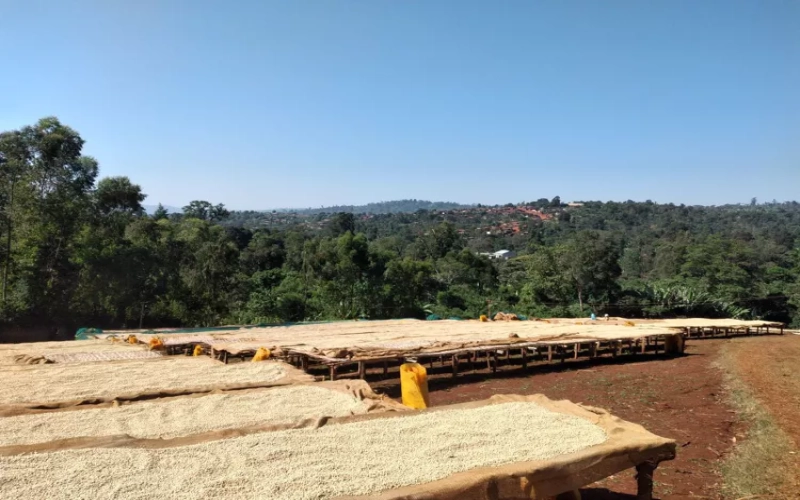
Yirgacheffe and Huakui are both representatives of Ethiopian specialty coffee, but the two differ in their region of origin, grading, processing methods, and flavor profiles. This article starts with the growing conditions and cooperative system of Yirgacheffe town, sorts out the influence of washed and natural processing on flavor, and compares the differences between Front Street Coffee's Yirgacheffe and Front Street Coffee's Huakui in aroma, acidity, and body. It also introduces the origin of the batch suffix in Huakui and its SOE performance, [more…]
Sidamo Region Full Analysis: From Hualei Coffee Bean Varieties to Natural Processing and Brewing Parameters
Sidamo is not a single coffee, but a highly representative specialty coffee region in southern Ethiopia, known for its bright citrus acidity, smooth black-tea-like mouthfeel, and fuller tropical fruit notes than Yirgacheffe. This article will cover the region's history, changes in administrative divisions, the native heirloom system, and sun-dried processing methods, all the way to the most talked-about Huakui coffee—how it went from a TOH champion bean to the "leader of a hundred flowers" pursued by domestic consumers. At the same time, Front Street will also share the brewing parameters, flavor performance, and freshness recommendations for sun-dried Huakui, helping coffee lovers understand the origins and development of this Ethiopian coffee more systematically. [more…]
Sidamo Huakui Coffee Beans: A Full Analysis of Sun-Dried Heirloom Flavor, Grinding Parameters, and Cold Brew Method
Huakui coffee from the Sidama region of Ethiopia is a sun-dried Arabica bean that has attracted much attention in recent years, known for its rich floral and fruity aroma and full sweetness. Front Street Coffee uses a medium-light roast, striving to showcase its layers of passion fruit, strawberry, and cream. This article will break down the flavor code and practical extraction plan of this bean one by one, from the concept of native species, the principles of sun-dried processing, the background of the Hambela origin, and the origin of the name Huakui, to the specific cold brew brewing parameters and operating steps. It is suitable for enthusiasts who want to understand Sidama coffee in depth or replicate café-style cold brew at home. [more…]
Why is Yirgacheffe so highly favored? A detailed explanation of its origin terroir, processing methods, and pour-over grinding key points
Yirgacheffe is one of Ethiopia's most iconic specialty coffee regions, renowned for its bright citrus acidity and rich white floral aromas. This article provides a systematic analysis of the flavor sources of Yirgacheffe coffee beans from the perspectives of regional geography, the cooperative system, washed and natural processing methods, and heirloom variety characteristics, and offers Front Street Coffee's pour-over parameter recommendations for Yirgacheffe. At the same time, the article also compares it with Front Street Coffee's Huakui coffee beans, which also belong to the Ethiopian family, helping readers clarify the differences between the two in terms of origin, processing method, and flavor performance, so that suitable references can be found whether for daily pour-over or espresso SOE. [more…]
Why is Yirgacheffe coffee so highly favored? A full analysis of its producing region, grades, varieties, and pour-over grinding parameters
Yirgacheffe is one of Ethiopia's most representative specialty coffee regions, known for its bright citrus acidity, abundant white floral aromas, and honey-like sweetness. This article starts from the geography of the region, the cooperative system, variety characteristics, and the differences between washed and natural processing methods, systematically sorting out the sources of Yirgacheffe's flavor, and provides specific extraction parameters such as pour-over grind size, water temperature, and coffee-to-water ratio. It also compares the differences between Front Street Yirgacheffe and Front Street Sidamo Flower Queen, two Ethiopian beans, to help coffee enthusiasts understand the unique charm of this region more comprehensively. [more…]
Complete Analysis of Huakui and Geisha Varieties and Origins: The Origins of the Translations Hambela and Geisha, and a Comparison of Their Flavor Differences
Recently, a video conflated Huakui coffee beans, the Hambela production region, and the Geisha variety, claiming that the three can be equated. Is this really the case? This article will trace the spread of the Geisha variety from Geisha Mountain in Ethiopia to Hacienda La Esmeralda in Panama, clarify the administrative affiliation of Hambela as a sub-region of Guji, and restore the full story of how Huakui coffee beans were named after winning the 2017 TOH. At the same time, Front Street Coffee will, through cupping experience, compare the flavor differences between small-bean Huakui and regular Huakui, and analyze the essential differences between Geisha and Huakui in their main flavor profile, helping coffee lovers build a clear understanding of varieties and production regions. [more…]
From TOH Champion to the Huakui Series: The Rise and Flavor Evolution of Ethiopian Hambela Natural Coffee Beans
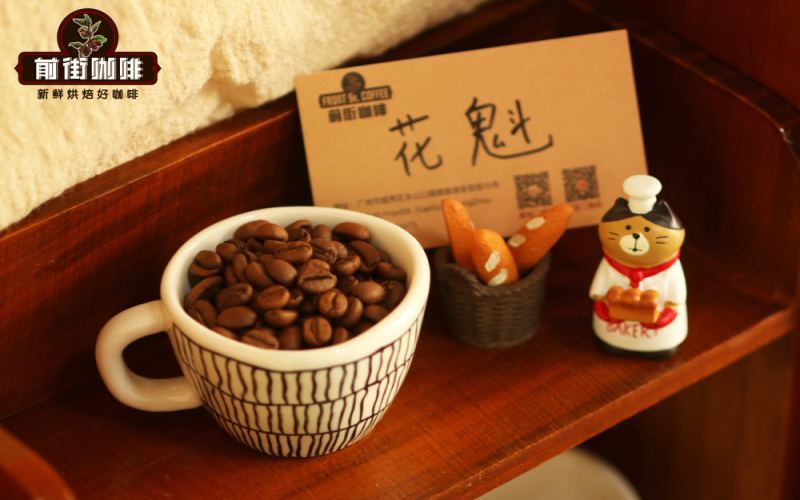
On the stage of specialty coffee, the Huakui coffee beans from the Hambela region of Ethiopia shot to fame with the title of champion of the 2017 TOH natural group, and subsequently gained even greater renown when a barista defeated Geisha in a brewing competition. This bean not only witnessed the rise of the Hambela region, but also gave rise to the Huakui X.0 series and the small-bean Huakui offshoot. This article will trace the historical development of Huakui, compare the flavor differences among different batches, and share Front Street Coffee's brewing insights on Huakui and Huakui 5.0, taking you deeper into the unique charm of this African natural-process bean. [more…]
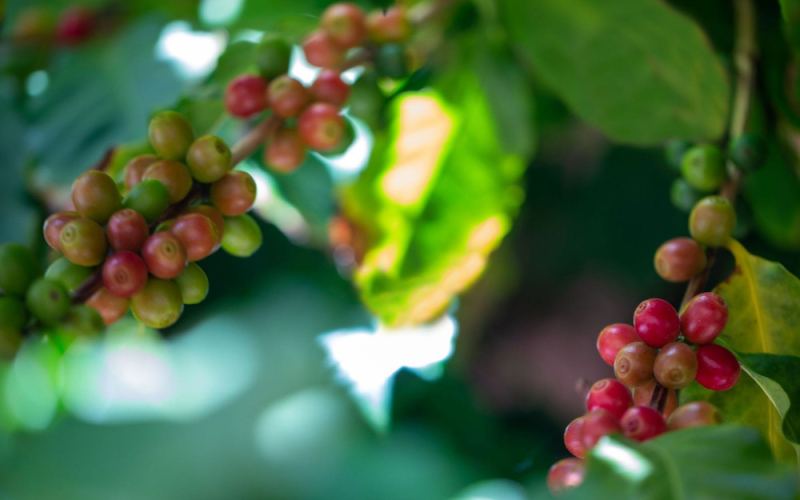
Sidamo Floral Queen 8.0 Coffee Flavor Analysis: Origin Characteristics, Brewing Parameters, and Grind & Water Temperature Guide
Although Sidama and Yirgacheffe both belong to Ethiopia's specialty coffee regions, their flavor profiles each have distinctive characteristics. This article will guide you through the terroir conditions of the Sidama region, the relationship between the Guji and Hambela producing areas, and the variety background and processing methods of the Huakui 8.0 natural-process bean. At the same time, Front Street Coffee will share grinding recommendations and pour-over parameters for the medium-light roasted Huakui, including water temperature, coffee-to-water ratio, and dripper selection, to help you better unlock the passion fruit and berry aromas of this high-altitude coffee. [more…]

Geisha Coffee Beans Actually Labeled as Brazilian Origin? A Breakdown of Region and Variety Errors in Packaging Information
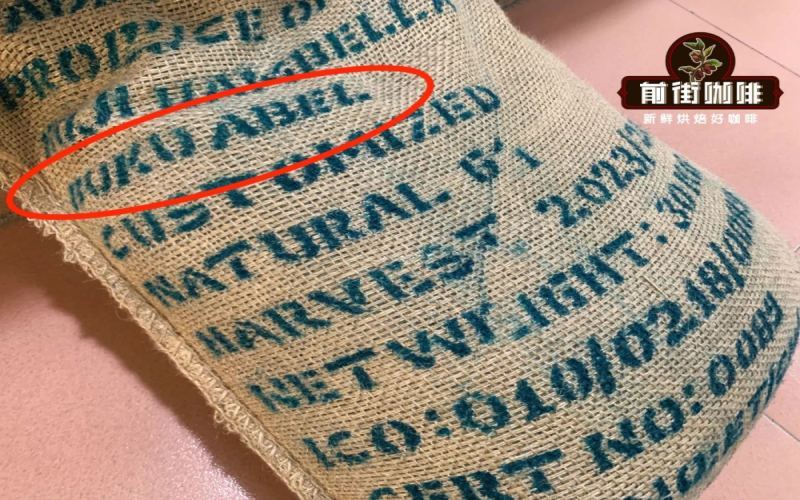
Recently, a photo of a coffee bean packaging sparked heated discussion on WeChat Moments. It prominently labeled the origin of Huakui coffee beans as "Origin: Brazil (Guji Hambela)," leaving many industry professionals and enthusiasts stunned. This article begins with the historical naming and variety origins of Huakui, then dissects the packaging's errors regarding production region, tree species, altitude, scoring standards, and grind size. It clarifies that Huakui must come from the sun-dried Ethiopian native varieties processed at the Buku Abel processing plant in the Guji Hambela region of Ethiopia, and retains Front Street Coffee's observations and product information about Small-Bean Huakui. [more…]
Analyzing Why Sidamo Coffee Is Gaining Popularity: Flavor Characteristics of Huakui, Taste Profile, and Grind Size Reference
Sidamo is an important coffee-producing region in southern Ethiopia, and it has secured a place in the specialty coffee world thanks to its rich floral and fruity profile. Although it and Yirgacheffe both belong to Ethiopian coffee, they present distinctly different flavor directions. This article will start with the regional background of Sidamo, sort out the relationships among subregions such as Guji and Hambela, focus on introducing the variety origin, processing method, and flavor characteristics of the Huakui coffee, and include the grinding settings and pour-over parameter recommendations given by Front Street Coffee (FrontStreet Coffee), helping coffee enthusiasts gain a more comprehensive understanding of this bean. [more…]

Geisha Coffee Bean Variety Analysis: A Complete Guide to Pour-Over Methods, Flavor Profile, and Origin Story
In recent years, Huakui coffee beans have risen to fame in China's coffee scene, from the popularity of Luckin's Huakui SOE to the admiration of various pour-over enthusiasts. What exactly is the charm of this bean from Ethiopia? This article will give you a comprehensive understanding of Huakui's variety origins, the story behind its name, the terroir of its producing region, its processing methods, as well as the pour-over parameters and flavor performance recommended by Front Street Coffee. You will read about the interesting connection between Huakui and Geisha, the refined natural process at the Hambela Buku Abel washing station, the story of Front Street Huakui's version evolution from 1.0 to 8.0, and specific operational suggestions for the three-stage pour-over, making it suitable for every coffee enthusiast who wants to gain a deeper understanding of this bean. [more…]
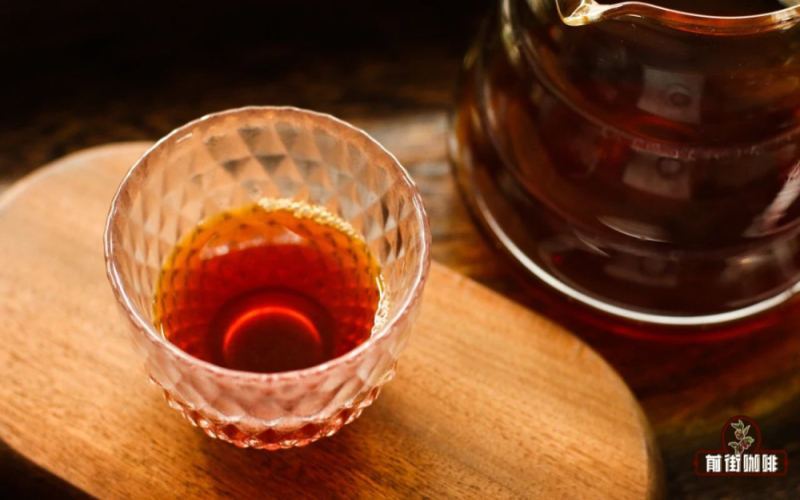
Ethiopian Guji Coffee Bean Flavor Analysis: Small-Bean Guji SOE vs. Yirgacheffe Differences and Pour-Over Techniques
In recent years, Huakui coffee beans have continued to rise in popularity within the specialty coffee scene. This natural-process bean from Hambela in the Guji producing region of Sidamo, Ethiopia, has won over many coffee lovers with its intense strawberry-cream aroma and full, juicy mouthfeel. This article provides a complete overview of the origin of the name Huakui, the terroir conditions of the Hambela producing region, the historical background of its 2017 TOH championship win, as well as Front Street Coffee's roasting parameters and pour-over recommendations. It will also compare the flavor differences between the small-bean Huakui SOE and Yirgacheffe, helping readers gain a more comprehensive understanding of this bean's unique charm. [more…]
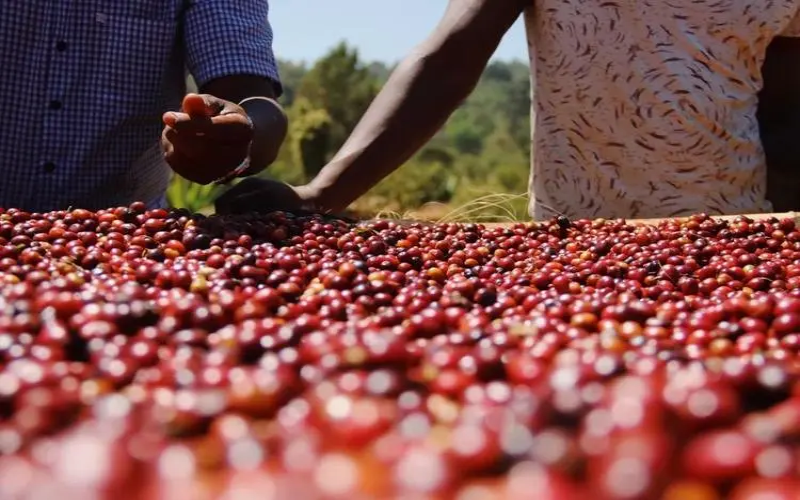
Exploring Ethiopia's Guji Hambela: A Comprehensive Analysis of Buku Abel Processing Station's Huakui 7.0 Coffee Beans
Ethiopia, as the birthplace of coffee, has nurtured tens of thousands of coffee varieties, and its Guji region became an independent zone in 2010 thanks to its unique flavors. The Buku Abel processing station in the Hambela sub-region is precisely the birthplace of the renowned Huakui coffee. From winning the TOH competition in 2017 to the launch of Huakui 7.0 today, this natural-process bean has undergone years of evolution. This article will guide you through the terroir characteristics of Guji and Hambela, the story of Huakui's rise to fame, and the specific information and brewing suggestions for Huakui 7.0 recommended by Front Street Coffee, suitable for every lover of African coffee. [more…]
A Complete Analysis of the Flavor Differences Between Mandheling and Huakui: From Indonesia's Wet-Hulling Method to Ethiopia's Natural Processing
Mandheling and Huakui, one from Sumatra, Indonesia, and the other from the Guji region of Ethiopia, present截然不同的 flavor profiles. Mandheling is known for its full body, low acidity, and rich nutty and chocolate notes, while Huakui has won the favor of many coffee lovers with its strawberry cream, tropical fruit, and floral aromas. This article will comprehensively break down the core differences between these two coffees, from their origin histories, variety characteristics, and processing method differences to Front Street Coffee's roasting and brewing parameters, helping readers understand their respective flavor logic and suitable audiences. [more…]